Best Practices for Sealing Asphalt Driveways: Advice from Paving Experts
Best Practices for Sealing Asphalt Driveways: Advice from Paving Experts
Blog Article
Today, concrete ranks as a top-tier building material widely recognized for its versatility. Its robustness and flexibility render it an excellent choice for countless construction endeavors, including everything from driveways to thoroughfares. Considering its varied usages, the choice of a concrete contractor becomes a pivotal factor affecting the quality of your project. A reliable Wilmington Concrete Contractor will provide valuable expertise in materials and installation approaches, ensuring a resilient finish for your work the official site. High-quality concrete paving can notably boost both the appeal and functionality of your site. For those weighing their pavement options, concrete paving offers a cost-effective solution relative to asphalt. The benefits of this investment manifest in toughness, easy maintenance, and long-lasting results. Working with professionals can help guide you towards making a well-informed decision regarding your paving choices. There are numerous advantages associated with concrete paving, positioning it as a favored option among both homeowners and businesses. A crucial advantage is its incredible durability; a well-executed concrete surface can last several decades while requiring very little maintenance. This enduring nature results in fewer repair needs and replacements, which translates into financial savings over time. Furthermore, concrete is highly resistant to a wide array of weather conditions, making it especially suitable for areas subject to extreme climatic variations. Its capacity to bear heavy loads is essential for both residential driveways and commercial applications. The versatility of concrete paving is another significant advantage worth noting. Homeowners can opt for a diverse selection of finishes, color schemes, and textures that allow them to create a distinctive look that complements their property. Whether selecting stamped designs, polished options, or exposed aggregate, concrete can genuinely elevate a property's aesthetic appeal and market value. Additionally, the reflective nature of concrete’s lighter surfaces can contribute to cooler surroundings by reducing heat absorption. While examining the costs associated with concrete paving, it's essential to look beyond the initial investment to consider the long-term value that it provides. Although concrete paving typically comes at a higher upfront price than asphalt, its longevity and lower maintenance demands frequently make it a more economical choice over time. Conversely, asphalt surfaces tend to require more frequent repairs and resurfacing, while concrete is often more resilient, resulting in fewer ongoing expenses. When discussing initial costs, elements like slab thickness, specific additives, and chosen finishes can significantly alter the ultimate concrete paving cost. In addition, hiring quality concrete contractors can affect total pricing, as skilled labor usually leads to superior installations. It's crucial to calculate total costs based on not only the materials involved, but also labor, potential site preparation, and any extra features such as decorative enhancements. Making an informed selection of a concrete contractor is essential for ensuring the success of your project. Begin with thorough research of local contractors, taking the time to assess their experience, reputation, and customer feedback. Look for Wilmington concrete contractors who excel in delivering quality craftsmanship and outstanding customer service. It's wise to obtain estimates from several contractors, ensuring you receive detailed breakdowns that cover materials, labor costs, and projected timelines. Don’t shy away from requesting information about the contractor's past work. Viewing examples of their completed projects can offer valuable insights into their skill and design aesthetic. Ask them about the various types of concrete mixes they suggest and whether they have sustainable options available for your paving project. Above all, prioritize effective communication; a contractor who actively engages with you and tailors solutions to your specific needs is more likely to achieve the results you desire. Concrete's reputation for strength does not eliminate the necessity for regular upkeep to maximize its lifespan and visual integrity. Engaging in frequent cleaning practices and applying a sealant are crucial steps in safeguarding the surface against potential stains and environmental deterioration. For instance, using a sealant can effectively block moisture from seeping into the concrete, which helps in minimizing risks of cracking or fading that may result from adverse weather conditions. If you observe blemishes or cracking in your concrete, addressing these issues quickly is key to preventing more substantial damage. Minor cracks can generally be fixed using concrete fillers, while more extensive problems may require the help of concrete repair specialists. These professionals can thoroughly assess the damage and recommend the suitable methods for repair, whether through patching, resurfacing, or full replacement of sections. By ensuring proper maintenance of your concrete surfaces, you can keep them both functional and appealing over time. Individuals looking for specific maintenance strategies should refer to the relevant Concrete article for additional insights, including both contemporary and traditional techniques. Choosing the right contractor can significantly impact the outcome of your concrete project. Invest time in the vetting process.Steps for Successful Concrete Paving
The Benefits of Concrete Paving
Comparing Costs: Concrete vs. Asphalt
Choosing the Right Concrete Contractor
Maintenance and Repair of Concrete Surfaces
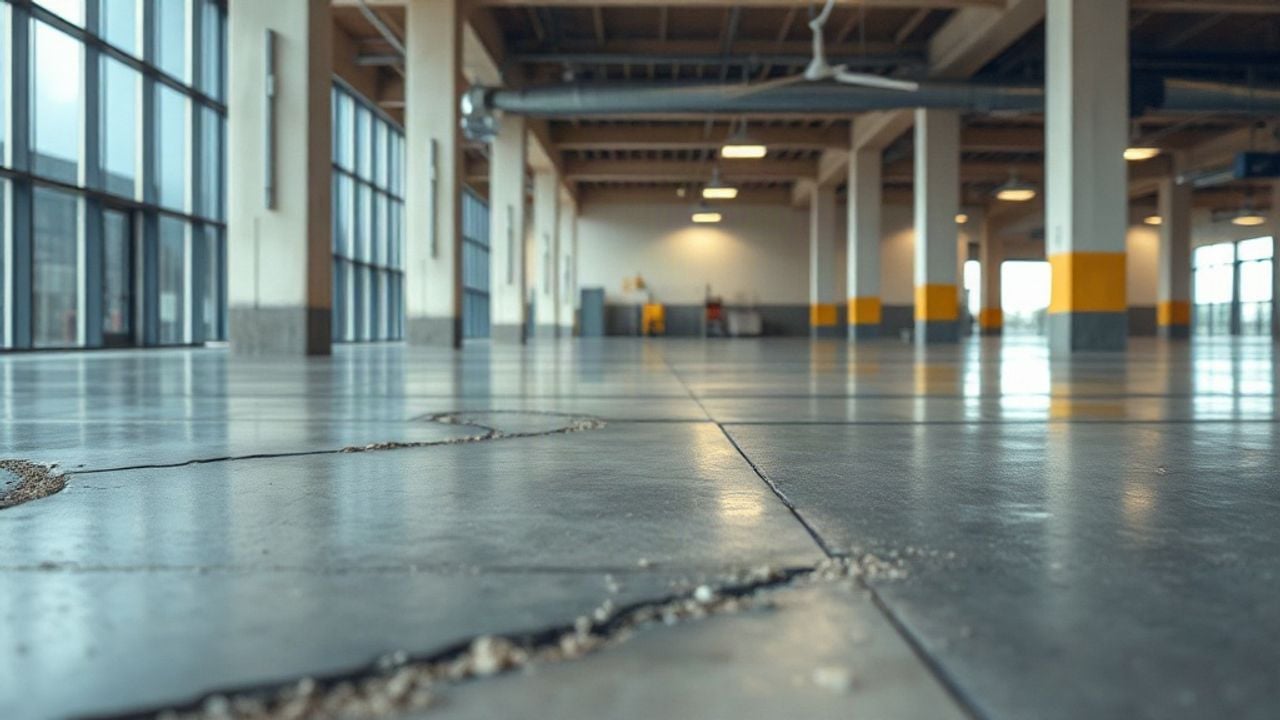 Wilmington Concrete ContractorWilmington Concrete Contractor guide
Helpful Tips for Concrete Paving Projects
Concrete
Frequently asked questions
What is Concrete?
Concrete is a versatile building material composed of cement, water, and aggregates, which may include sand, gravel, or crushed stone. Its remarkable strength and adaptability make it suitable for a wide range of construction projects, from residential homes to large-scale infrastructures.
How do I choose a Concrete provider?
Choosing the right concrete provider begins with researching local contractors, examining their tenure in the industry, client reviews, and requesting references. Collecting multiple quotes allows for an accurate comparison of costs and services offered, making it vital to emphasize good communication and trustworthiness in your selection.
How much does Concrete cost?
Concrete pricing can fluctuate widely due to various factors, such as the specific mix type, thickness requirements, and overall project scale. Generally, homeowners might pay anywhere from $3 to $10 per square foot for concrete installations, depending on how intricate the project is.
When assessing Concrete, prioritize evidence of successful outcomes, transparent reporting, and the alignment of strategies with your market and timeline. Be cautious of vague guarantees lacking a measurement plan.
Concrete paving offers lasting benefits, making it a wise choice for both residential and commercial properties. Choosing the right contractor, understanding costs, and maintaining your concrete surfaces will ensure the longevity and effectiveness of your investment.
By approaching your project with careful planning and attention to detail, you can achieve beautiful and durable concrete surfaces that add value to your property while serving its purpose effectively.